Skip to content

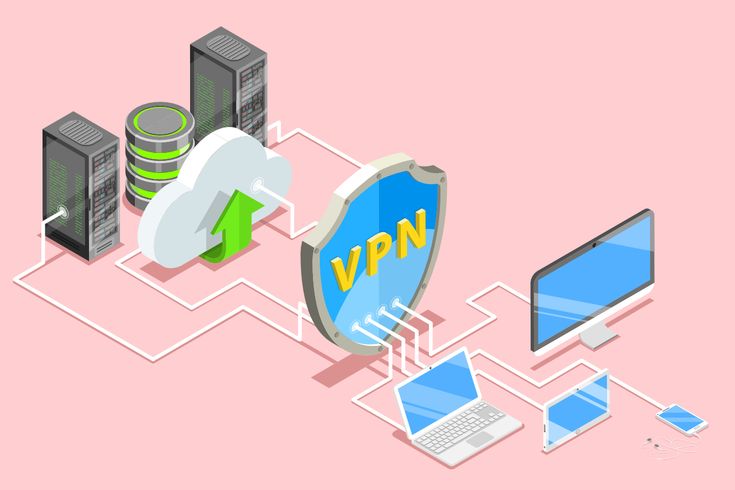
A VPN, or Virtual Private Network, is a tool that helps protect your privacy and security when you’re using the internet. It does this by creating a secure, encrypted connection between your device and the websites or online services you access.
Imagine it as a private tunnel through the internet — even though you’re using a public network (like Wi-Fi in a café or at home), a VPN keeps your data hidden from prying eyes.
What Does a VPN Do?
Here are the main things a VPN does:
-
Encrypts Your Internet Traffic
A VPN scrambles the information you send and receive so no one — not hackers, not your internet service provider (ISP), and not government agencies — can see what you’re doing online. -
Hides Your IP Address
Your IP address is like your digital home address. A VPN masks your real IP and replaces it with one from a server in a different location. This helps protect your identity and location. -
Bypasses Geo-Restrictions and Censorship
Some content is blocked or restricted depending on your location. A VPN can help you access websites, videos, or apps that are unavailable in your country by making it seem like you’re browsing from somewhere else. -
Secures Public Wi-Fi Connections
When you use public Wi-Fi (e.g., in airports, hotels, or restaurants), your data can easily be intercepted. A VPN keeps your connection secure and your information safe.
When Should You Use a VPN?
-
When accessing the internet on public Wi-Fi
-
To protect your personal data while browsing or shopping online
-
When you want to stream content not available in your region
-
To hide your browsing activity from ISPs, advertisers, or surveillance
-
If you’re working remotely and need to securely connect to a business network
How Does a VPN Work (In Simple Terms)?
Here’s a quick example:
-
You connect to the internet normally.
-
You turn on your VPN.
-
Your VPN creates a secure tunnel to a server in another location (e.g., New York or London).
-
All your internet traffic is sent through this encrypted tunnel.
-
The website you’re visiting only sees the VPN server’s IP address, not yours.
Are VPNs Legal?
Yes, in most countries, VPNs are completely legal to use. However, some governments (like China, Russia, or Iran) have restrictions or bans on VPN usage, especially to control access to certain content.
Always check local laws if you’re unsure.
Are VPNs Free?
There are both free and paid VPNs. Free VPNs can work for basic browsing, but they often come with:
-
Slower speeds
-
Limited servers
-
Less security
-
Ads or data tracking
Paid VPNs (like NordVPN, ExpressVPN, or Surfshark) offer stronger encryption, faster speeds, better privacy, and more global server options.
Conclusion: Why Use a VPN?
A VPN is one of the easiest and most effective ways to:
-
Keep your data private
-
Protect your online identity
-
Access restricted or censored content
-
Browse safely on any network
Whether you’re a casual internet user or a business professional, a VPN is a powerful tool to take control of your digital privacy and security.