Skip to content


In today’s interconnected world, protecting your online activity has never been more critical. Every time you browse the web, stream content, shop online, or use public Wi-Fi, your personal information could be at risk. This is where VPNs come into play. If you’re new to VPNs and wondering what they are and why people use them, this beginner-friendly guide will walk you through everything you need to know.
🔐 What Is a VPN?
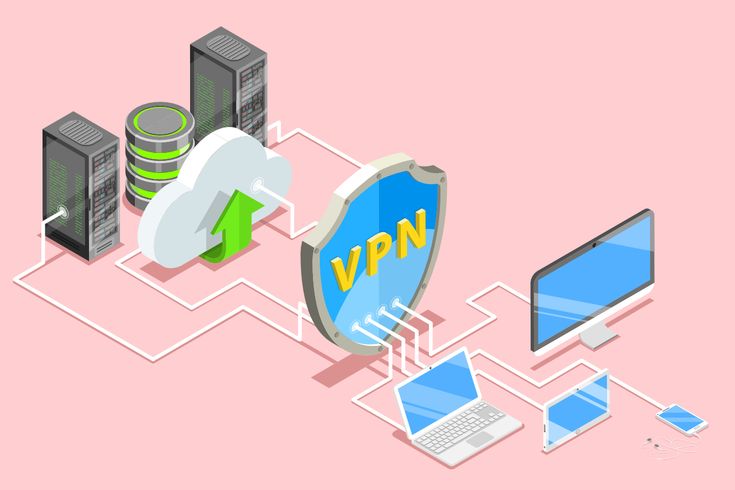
VPN stands for Virtual Private Network. It’s a software tool that creates a secure, encrypted connection between your device (computer, phone, tablet) and the internet. This private “tunnel” hides your real IP address and encrypts your online activities so no one — not hackers, advertisers, or even your internet service provider (ISP) — can see what you’re doing.
Think of it like sending a letter through a locked, invisible mailbox rather than an open postcard. It ensures that your sensitive information remains private.
⚙️ How Does a VPN Work?
When you connect to the internet without a VPN, your ISP can monitor your activity and websites can see your IP address (which reveals your location). But with a VPN, the process changes:
-
You connect to a VPN server.
The VPN acts as an intermediary between you and the internet. -
Your data is encrypted.
Everything you send or receive is scrambled into unreadable code. -
Your IP address is hidden.
The websites you visit only see the IP address of the VPN server, not yours. -
Your connection is routed securely.
Even if someone intercepts your data, they won’t be able to understand it due to encryption.
This combination of encryption and rerouting ensures maximum privacy and security.
🛡️ Why Do You Need a VPN?
There are many practical reasons why VPNs are essential in the digital age. Here are the top benefits:
1. Protect Your Privacy Online
A VPN hides your browsing activity from your ISP, government agencies, advertisers, and cybercriminals. Whether you’re reading news, researching, or shopping, your data remains private.
2. Secure Your Connection on Public Wi-Fi
Public networks in cafes, airports, and hotels are often unsecured and easily hacked. A VPN encrypts your data so no one can snoop on your connection, even on open Wi-Fi.
3. Bypass Geo-Restrictions and Censorship
Some websites or streaming services are only available in certain countries. A VPN allows you to connect to servers in different regions, giving you access to content that may be blocked in your location.
4. Prevent Bandwidth Throttling
ISPs may slow down your internet when you’re streaming or gaming. With a VPN, your ISP can’t track your activity and is less likely to throttle your speed.
5. Anonymous Torrenting and File Sharing
VPNs allow you to download and share files anonymously, minimizing legal risks and protecting your identity when using peer-to-peer (P2P) networks.
🧭 Choosing the Right VPN
Not all VPNs are created equal. When selecting a VPN, consider the following:
-
No-log policy: Ensures the VPN provider doesn’t store your data.
-
Speed and performance: Look for high-speed servers for smooth streaming and gaming.
-
Server locations: More countries = more access to global content.
-
Device compatibility: Ensure it works on all your devices (Windows, Mac, Android, iOS).
-
Customer support: Reliable support in case you face issues.
-
Price: Some VPNs offer free plans, but premium services offer better security and features.
Top-rated VPNs in 2025 include:
🖥️ How to Set Up a VPN
Getting started with a VPN is simple and usually takes just a few minutes:
Step-by-Step Installation:
-
Choose a VPN provider and sign up on their website.
-
Download the VPN app for your device (Windows, macOS, Android, iOS).
-
Install and open the app.
-
Log in with your credentials.
-
Choose a server location (e.g., US, UK, Germany).
-
Click “Connect” — and you’re now browsing securely and privately!
❓ Common Myths About VPNs
Myth 1: VPNs are only for hackers or illegal activity.
Truth: VPNs are widely used by everyday people and businesses for security and privacy.
Myth 2: Free VPNs are just as good as paid ones.
Truth: Free VPNs often come with limitations, slower speeds, ads, and sometimes log your data.
Myth 3: VPNs make you completely anonymous.
Truth: VPNs greatly improve privacy, but total anonymity requires additional tools and habits.
🌍 Who Should Use a VPN?
VPNs are useful for:
-
Remote workers accessing sensitive company data.
-
Travelers who need secure internet access abroad.
-
Students and researchers accessing restricted academic resources.
-
Gamers and streamers who want fast, uncapped internet.
-
Everyone who values online privacy.
📢 Final Thoughts
A VPN is one of the most valuable tools you can use to take control of your online privacy and security. As digital threats and surveillance become more common, VPNs help protect your identity, data, and freedom online.
Whether you’re working remotely, binge-watching your favorite series, or just checking emails at a coffee shop — a VPN ensures your connection is safe from prying eyes.
🔗 Ready to Start?
Explore and download a top-rated VPN today:
Stay safe. Stay anonymous. Take control of your internet experience.